Design Notes
Why Beautiful Homes Sometimes Still Feel Wrong
A room can be expensive, stylish and carefully furnished — and still never quite feel like home. Here is why.
By The Revamp UG|28 Aug 2026|1 min read
Design NotesdesignThe Revamp UG

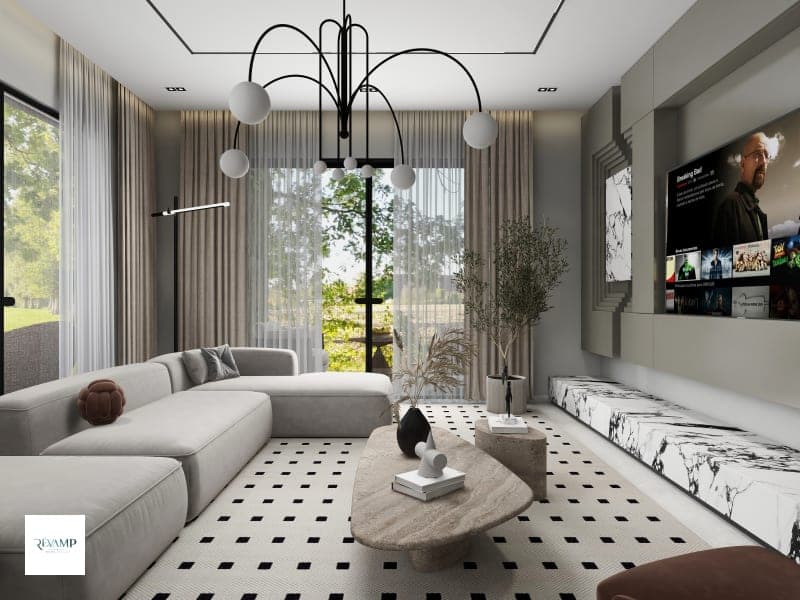
Good-looking rooms can still feel uncomfortable, noisy or strangely disconnected. The reason is usually found in the relationship between the things, not in the individual pieces.

Look closely before making the next decision.
Good design begins with attention. We study the space, the people and the purpose before deciding what belongs.
Let every detail support the larger story.
The strongest interiors are built from connected decisions. Materials, furniture, light and movement work together instead of competing for attention.

The final test is everyday life.
A finished room should become easier and more enjoyable to live in. Beauty matters, but so do comfort, clarity and the feeling that the space belongs to you.
“Good design begins with attention.”
“Beauty becomes meaningful when it works in everyday life.”
There is a particular kind of room that looks perfect in photographs and feels strangely uncomfortable in person. Everything matches. The finishes are polished. The furniture is expensive. Nothing is technically wrong, yet something is missing.
Usually, that missing thing is not taste. It is relationship. The furniture may belong to the room individually, but not to one another. The scale may be slightly off. The lighting may flatten everything after sunset. The palette may be beautiful but emotionally cold. Or the room may simply have no sense of rhythm, no quiet corner, no visual pause, no place for the eye to rest.
A home is not a showroom. It has habits. Shoes land somewhere. Friends gather in one particular corner. Children move through it differently from adults. One person may love bright morning light while another wants a shaded place to read. Those ordinary details are not interruptions to design. They are the raw material of it.
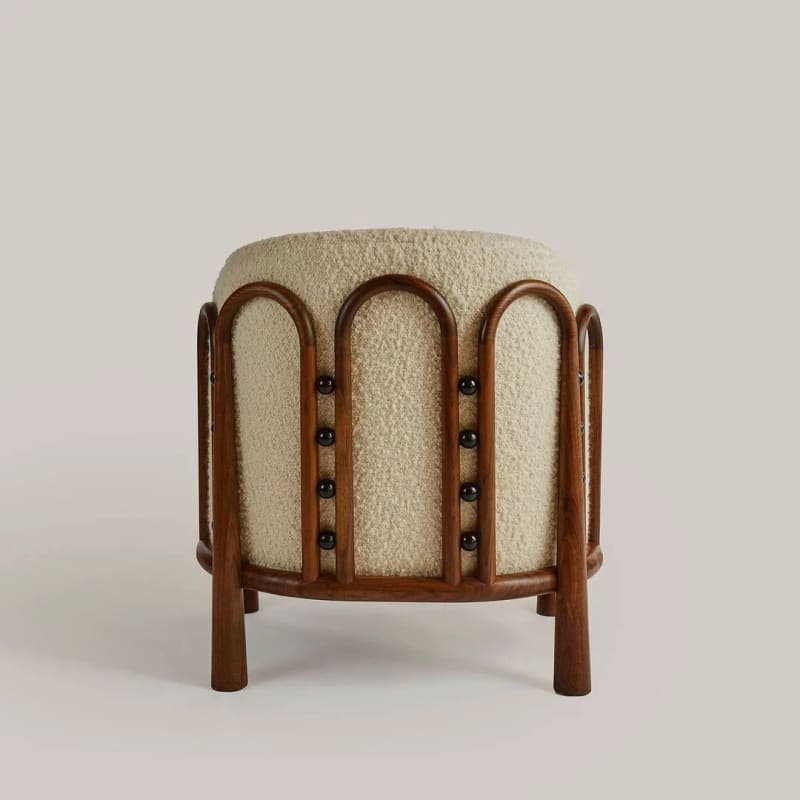
The most memorable interiors feel layered rather than assembled. There is a relationship between hard and soft, old and new, quiet and expressive. A textured fabric can make a sculptural chair approachable. A large artwork can give a neutral wall confidence. Warm lighting can make a restrained palette feel intimate.
When a room feels “almost right,” resist the temptation to keep shopping. Step back and ask a better question: what relationship is missing? Sometimes one thoughtful change fixes what ten more purchases cannot.