Sourcing & Procurement
What Global Sourcing Really Changes
Global sourcing is not simply finding a lower price. It is finding the right piece, finish, maker and route for the project.
By The Revamp UG|28 Aug 2026|1 min read
Sourcing & ProcurementdesignThe Revamp UG

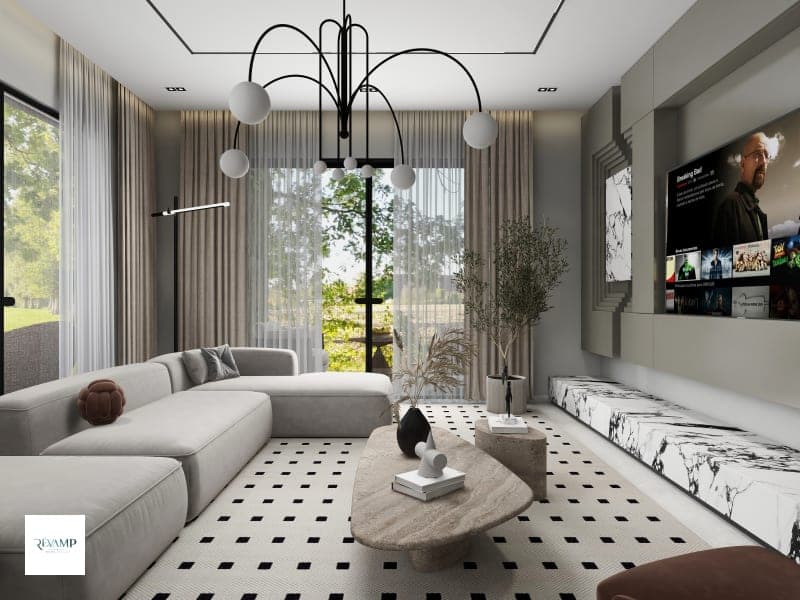
Global sourcing is not simply about buying from farther away. Done properly, it changes the range of possibilities available to a project and the level of thought behind every selection.

Look closely before making the next decision.
Good design begins with attention. We study the space, the people and the purpose before deciding what belongs.

Let every detail support the larger story.
The strongest interiors are built from connected decisions. Materials, furniture, light and movement work together instead of competing for attention.

The final test is everyday life.
A finished room should become easier and more enjoyable to live in. Beauty matters, but so do comfort, clarity and the feeling that the space belongs to you.
“Good design begins with attention.”
“Beauty becomes meaningful when it works in everyday life.”
A sourcing request often begins with a picture. Someone has seen a chair, a stone, a light or a particular finish and asks: “Can we get this?” Sometimes the answer is yes. More often, the answer is: we can find something better suited to the room.
Global sourcing changes the design process because it expands the conversation. Instead of choosing only from what is immediately available, we can look at makers, factories, materials and collections across different markets. But access alone does not create value. Selection does.
The useful work happens behind the scenes: comparing specifications, checking finishes, negotiating with suppliers, confirming lead times, understanding packing requirements and making sure the piece can actually survive the journey to its final destination.
A beautiful object is not a successful procurement if it arrives too late, in the wrong finish or without the documentation needed to clear customs. That is why procurement should be treated as part of design, not an administrative task after design is finished.
For the client, the experience should feel simple: one considered vision, even when the pieces come from ten different places. That is the quiet power of good sourcing. The complexity remains behind the curtain while the finished room feels completely coherent.