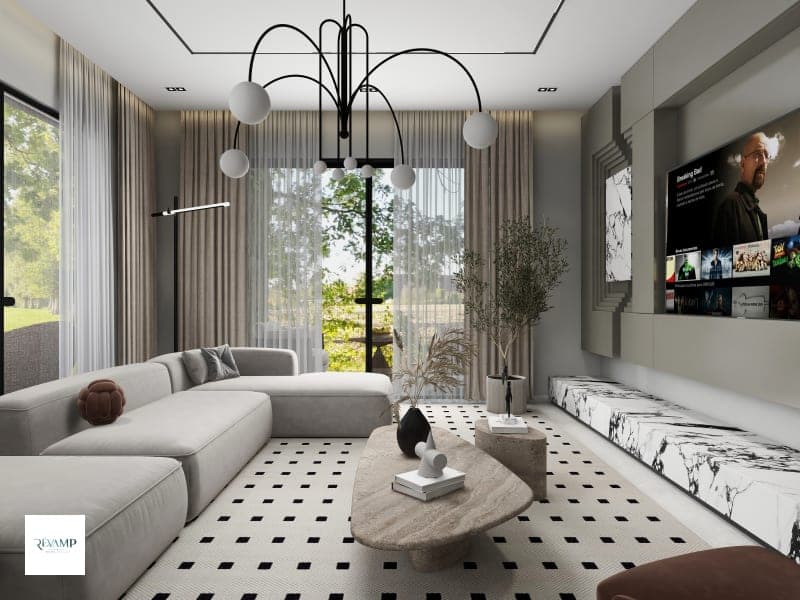
Spaces & Living
The Room Before the Furniture
Before the first sofa arrives, a room is already telling you what it wants to become.
By The Revamp UG|28 Aug 2026|1 min read
Spaces & LivingdesignThe Revamp UG

A room has a character before the first chair arrives. Understanding that character is often the difference between a space that looks furnished and one that feels designed.
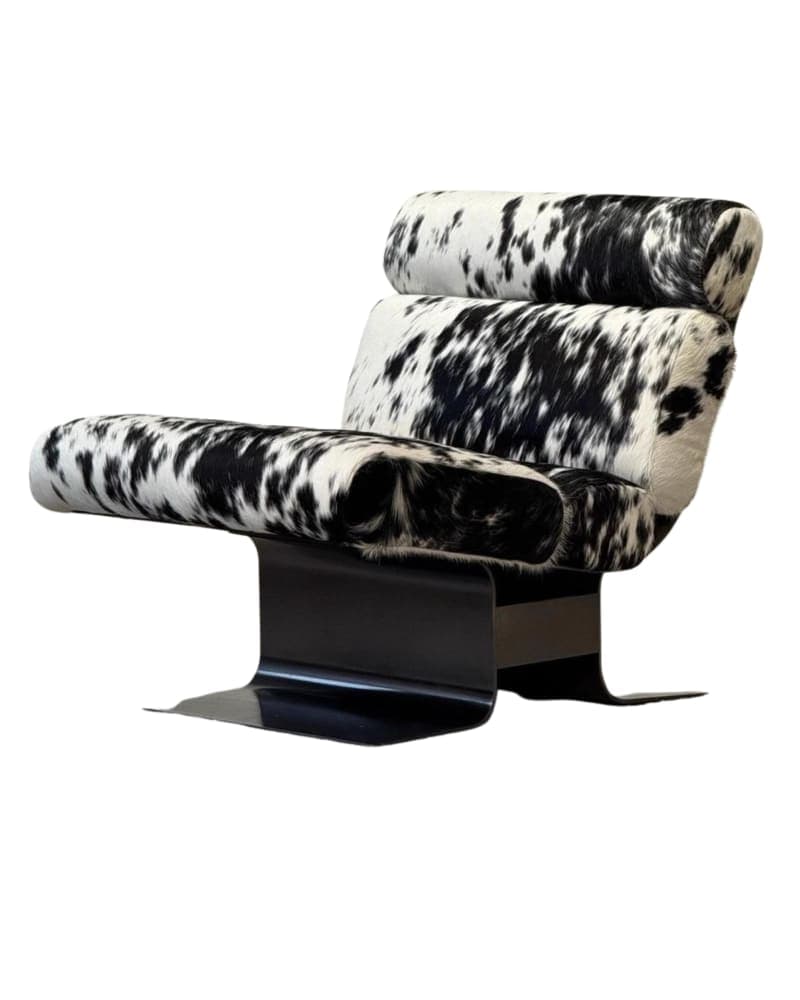
Look closely before making the next decision.
Good design begins with attention. We study the space, the people and the purpose before deciding what belongs.

Let every detail support the larger story.
The strongest interiors are built from connected decisions. Materials, furniture, light and movement work together instead of competing for attention.
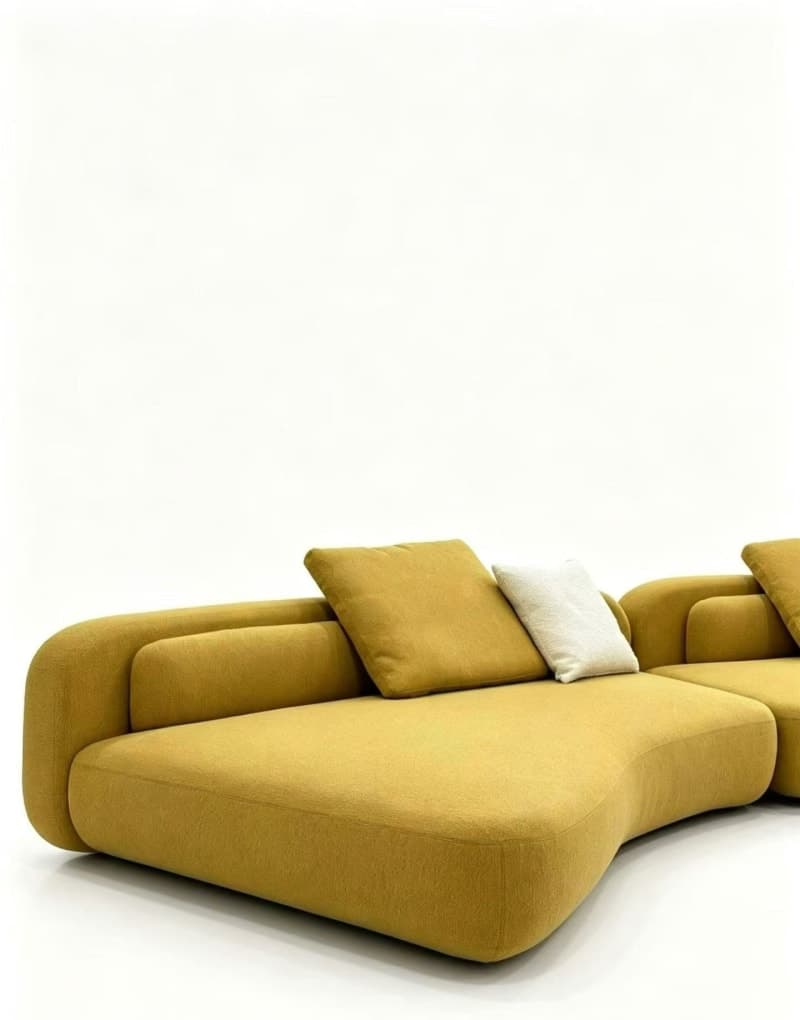
The final test is everyday life.
A finished room should become easier and more enjoyable to live in. Beauty matters, but so do comfort, clarity and the feeling that the space belongs to you.
“Good design begins with attention.”
“Beauty becomes meaningful when it works in everyday life.”
A room can feel unfinished long before you can explain why. Sometimes it is not the empty wall or the missing coffee table. It is the fact that nothing has yet decided how you are meant to live there.
At The Revamp UG, we often begin with the room before we begin with the furniture. Where does morning light land? Which chair will become the quiet reading corner? Is there a natural place for conversation, or are people being pushed to opposite ends of the room? These questions sound simple, but they change everything that follows.
The best spaces rarely happen because someone found beautiful pieces and placed them together. They happen because the proportions, circulation, light, materials and objects are allowed to speak to one another. A dining table might look perfect online, yet feel completely wrong when its scale interrupts the way a family moves through the room. A beautiful rug can suddenly make sense when it gives a large seating area a centre.
That is why we believe good design starts with listening. Sometimes the brief is a floor plan. Sometimes it is a photograph, a mood, a half-formed idea or simply: “I want my home to feel calmer.” The designer’s role is to translate that feeling into decisions.
Before you buy another piece for the room, stand in it for five quiet minutes. Notice what the space is already saying. The answer may be less about adding more, and more about choosing with intention.