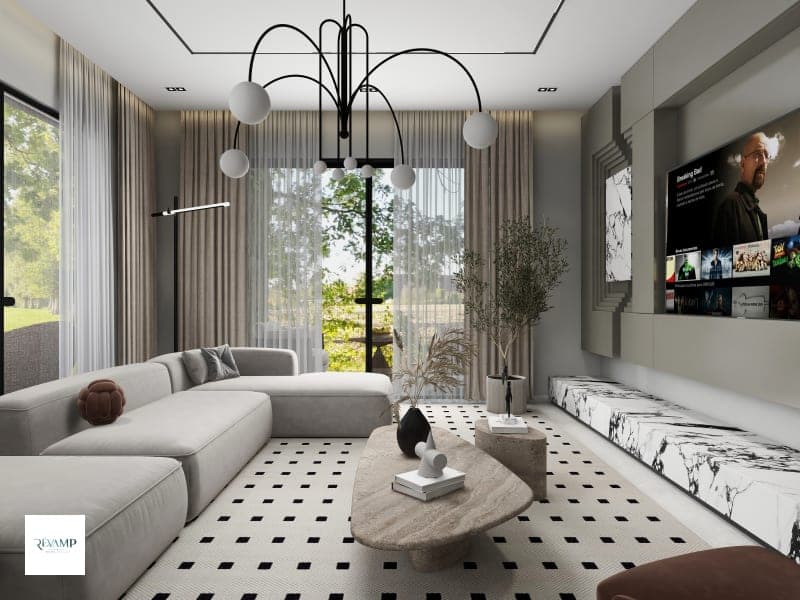
Renovation
A Better Way to Start a Renovation
Renovations become easier when the difficult decisions are made before the first wall is opened.
By The Revamp UG|28 Aug 2026|1 min read
RenovationdesignThe Revamp UG

The most expensive renovation mistakes usually begin before demolition. A clear brief and a realistic sequence can save more than money. They can save months of frustration.
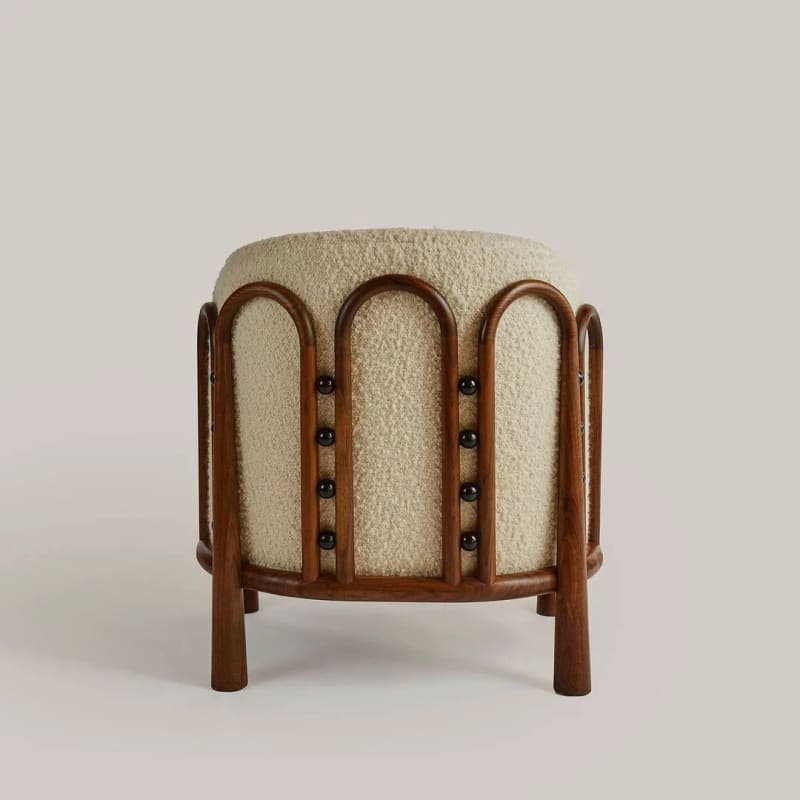
Look closely before making the next decision.
Good design begins with attention. We study the space, the people and the purpose before deciding what belongs.
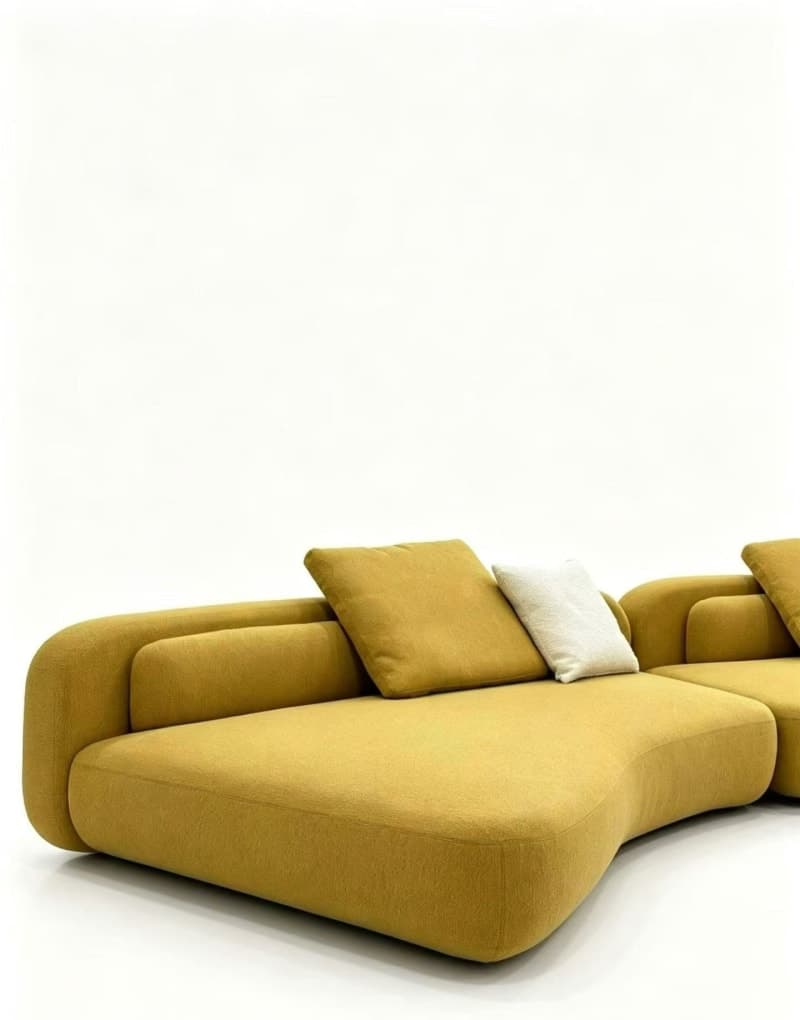
Let every detail support the larger story.
The strongest interiors are built from connected decisions. Materials, furniture, light and movement work together instead of competing for attention.
The final test is everyday life.
A finished room should become easier and more enjoyable to live in. Beauty matters, but so do comfort, clarity and the feeling that the space belongs to you.
“Good design begins with attention.”
“Beauty becomes meaningful when it works in everyday life.”
The most expensive moment in a renovation is often not the invoice. It is the moment a decision has to be made twice.
A renovation usually starts with excitement: a new kitchen, better bathrooms, larger windows, a different floor plan. Then the practical questions arrive. Where will the electrical points go? Which walls are changing? What happens to the plumbing? Which finishes are available now, and which require a longer lead time?
A well-run renovation brings those questions forward. Before demolition, the team should understand the design intent, the sequence of work, the materials, the budget priorities and the decisions that cannot be changed cheaply later.
This is why drawings, material boards and detailed specifications matter. They may feel slower at the beginning, but they protect the project once trades are on site. The clearer the information, the fewer expensive surprises appear when the work is already underway.
And there is something deeply human about a renovation: you are living inside the decisions while they are still being made. A good process respects that reality. It should reduce uncertainty, not add to it.
The best renovation is not necessarily the one with the most dramatic transformation. It is the one where the finished space feels inevitable, as though it could only have ended up this way.